VRP Consent Renewal: Keep UK Recurring Bank Pulls Live
Recurring revenue on bank rails fails quietly when consent expires — not with a declined card, but with a pull your billing engine was never allowed to fire. VRP consent renewal is the proactive ops layer UK and EU teams need as variable recurring payments scale: monitoring expiry dates and amount caps, nudging customers through their banking app before the next invoice, and falling back to Direct Debit or pay-by-bank links when permission lapses. This guide covers renewal triggers, customer messaging, webhook wiring, and what to validate with your provider before month-end billing runs.
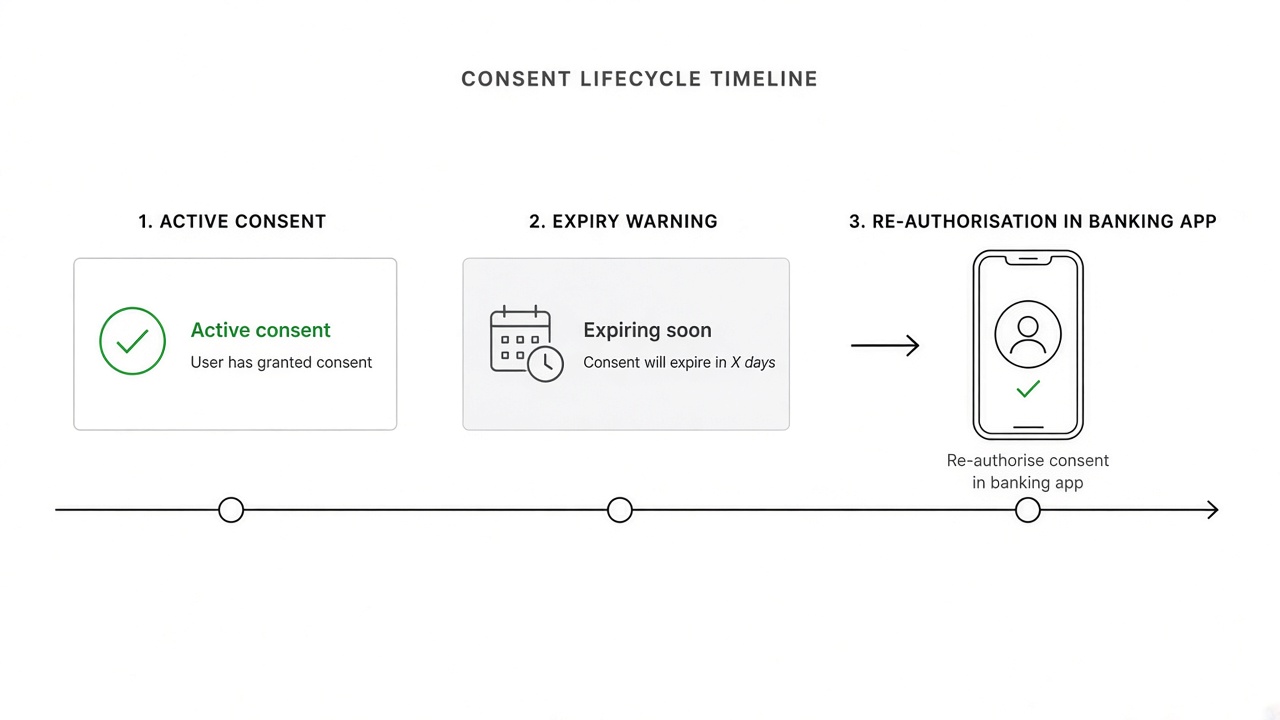
VRP consent renewal: The process of refreshing a customer's permission for variable recurring payments (VRP) before their banking-app mandate expires or before a bill exceeds agreed caps — so repeat collections continue without treating every cycle like a new signup.
For scheme basics, see variable recurring payments explained and cVRP. For failure recovery after a declined pull, see open banking recurring dunning.
What is VRP consent renewal in plain English?
VRP consent renewal means asking the payer to approve again in their banking app before their stored permission runs out or before you need a higher collection limit than they originally set.
Unlike a card on file, bank consent has a visible end date and numeric caps in the customer's banking channel. When either boundary is hit, your provider cannot legally pull the next bill — even if the customer still wants to pay you. Renewal is not a marketing email asking for goodwill; it is a regulated re-authentication step that puts the customer back in control.
According to Open Banking Limited's VRP overview, variable recurring payments give customers clearer mandate visibility and control in their banking app than many legacy recurring methods — which makes renewal timing a product and finance metric, not only a compliance checkbox.
Why does VRP consent renewal matter for billing teams?
Without renewal discipline, involuntary churn spikes at consent expiry while your CRM still shows an "active" subscriber.
Three business outcomes drive the work:
- Revenue continuity — A lapsed consent looks like cancellation in your ledger even when the customer intended to stay on bank pay.
- Lower collections cost — Re-authorising in-app is cheaper than winning back a lapsed account on cards or paper Direct Debit mandates.
- Cleaner forecasting — Finance can segment "consent expiring in 30 days" separately from soft payment failures handled in open banking dunning.
UK teams on recurring pay by bank and UKPI Wave 1 sectors feel this first as cVRP volumes grow. EU subscription stacks that verify then collect via SEPA Direct Debit face parallel mandate amendment and cancellation signals — different rails, same renewal ops muscle.
Recent bank warnings about third-party account access — including CEOs cautioning customers about linking accounts to AI agents, as Finextra reported on 22 October 2026 — reinforce that scoped, time-bound consent is the norm. Renewal journeys should show exactly what you will collect and for how long, not vague "keep paying us" copy.
When must you renew VRP consent?
Renew before the consent expiry date, before a charge exceeds per-payment or monthly caps, or immediately after the customer or bank revokes permission.
| Trigger | What billing sees | Renewal action |
|---|---|---|
| Calendar expiry | Provider flags consent expires_at within your lead window |
Email + in-app link to re-consent |
| Cap breach | Next invoice exceeds max single payment or monthly total | Offer cap increase flow in banking app |
| Revocation | Webhook: consent cancelled in bank channel | Stop pulls; start new consent; optional DD fallback |
| Account change | Customer switches bank or closes account | Full new consent on new account |
| Sector or scheme change | UKPI eligibility shifts (Wave 2 go-live) | Re-enrolment campaign for newly eligible merchants |
Do not wait for a failed pull on the due date — by then you are in dunning territory, not renewal. Most teams set T-30 and T-7 reminders for expiry and a pre-bill cap check when usage-based invoices vary widely (utilities, telco, insurance patterns in open banking for utilities).
How should the customer renew consent?
Send the payer to the same bank-channel approval they used at signup — hosted redirect or embedded flow — with caps pre-filled to match the next bill band.
UX patterns that convert
- Show the next bill range — "Your October energy bill is expected between £120–£180" beats a generic renew link.
- Deep link to banking app on mobile — mirror open banking redirect vs embedded choices from signup; do not force desktop flows on phone-first segments.
- Preserve customer ID — renewal should attach to the same subscription record; finance must not create duplicate mandates.
- Confirm success in your portal — after webhook
consent.active, show "Bank payments active until [date]" in the billing UI. - Parallel rail option — if the customer skips renewal, offer Direct Debit or card before marking churn (hybrid stacks described in dunning guidance).
Charity and membership programmes with seasonal giving spikes should renew before annual campaigns — see open banking for charities for enrollment context.
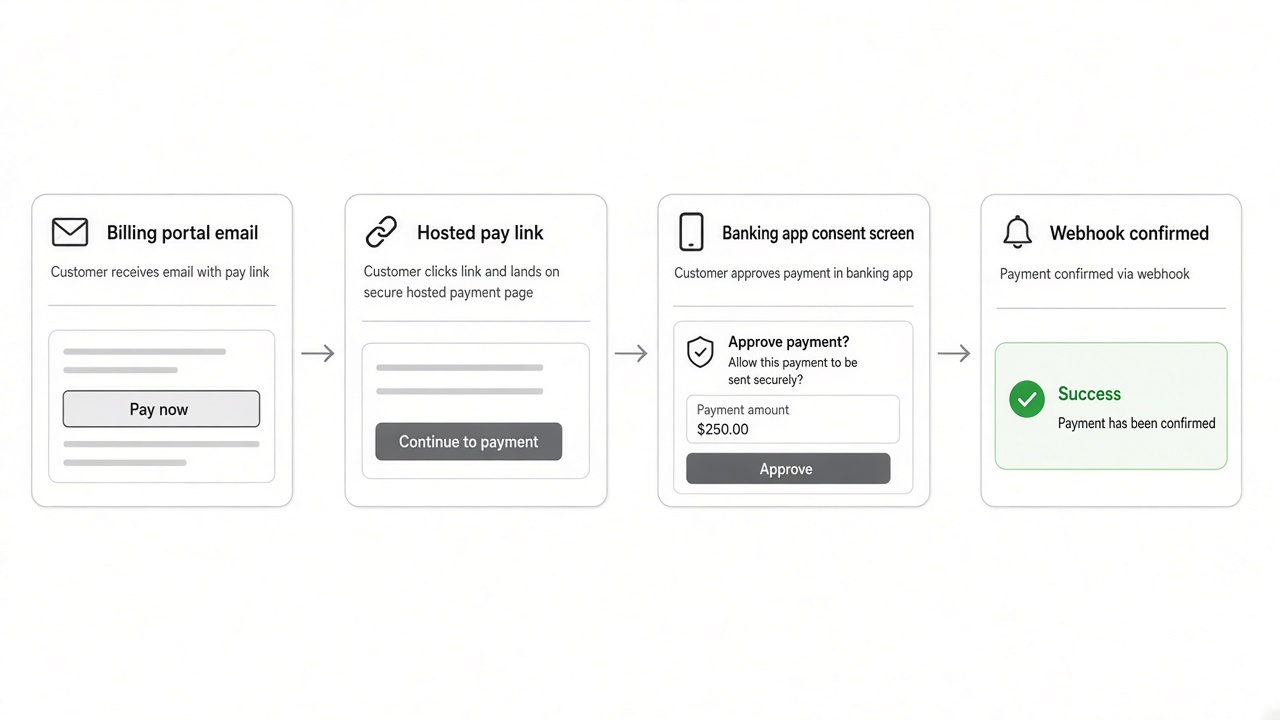
Which webhooks and data fields power renewal ops?
Your billing platform needs consent lifecycle events — not only payment success — wired with the same rigour as open banking webhooks for checkout.
Minimum event set:
consent.created/consent.active— storeconsent_id, expiry, per-payment max, monthly maxconsent.expiring— if your provider emits proactive warnings (or compute fromexpires_at)consent.revoked— halt scheduled pulls same hourpayment.failedwith reasonconsent_invalid— triggers renewal, not blind retry
Engineering checklist:
- Idempotent consent records — duplicate webhooks must not create twin mandates.
- Scheduled jobs — nightly scan for consents expiring in 30/14/7 days; enqueue CRM campaigns.
- Cap simulation — before usage billing runs, compare invoice total to stored caps; branch to renewal if over.
- Audit trail — finance asks "why did we miss March?" — you need consent state history, not only payment rows.
During bank-side incidents, renewal redirects may fail while one-off pay-by-bank links still work — treat renewal as a distinct availability SLO from collections, especially when ASPSP channels degrade (see pay by bank bank outage playbooks for customer messaging).
How does UK cVRP renewal differ from EU recurring mandates?
UK cVRP renewal happens in the banking app with explicit amount caps; EU recurring stacks often pair account verification with SEPA Direct Debit mandate amendments — same ops goal, different webhook vocabulary.
| Dimension | UK cVRP / UKPI | EU typical (SEPA DD + open banking) |
|---|---|---|
| Permission store | Banking-app VRP consent | SEPA mandate + optional AIS refresh |
| Expiry | Consent end date visible to customer | Mandate may be indefinite until cancelled |
| Variable amounts | Within agreed caps without new mandate | May require amendment notice periods |
| Renewal UX | Re-authenticate in bank app | Mandate update or new verification pull |
| Fallback | Direct Debit if legacy mandate exists | Card or one-off pay-by-bank link |
Teams selling across the UK and euro area should not reuse UK renewal emails for EU customers — copy and legal timing differ. Open banking UK vs EU helps product leads split roadmaps; open banking subscription billing covers dual-stack implementation.
What should you ask providers before scaling renewals?
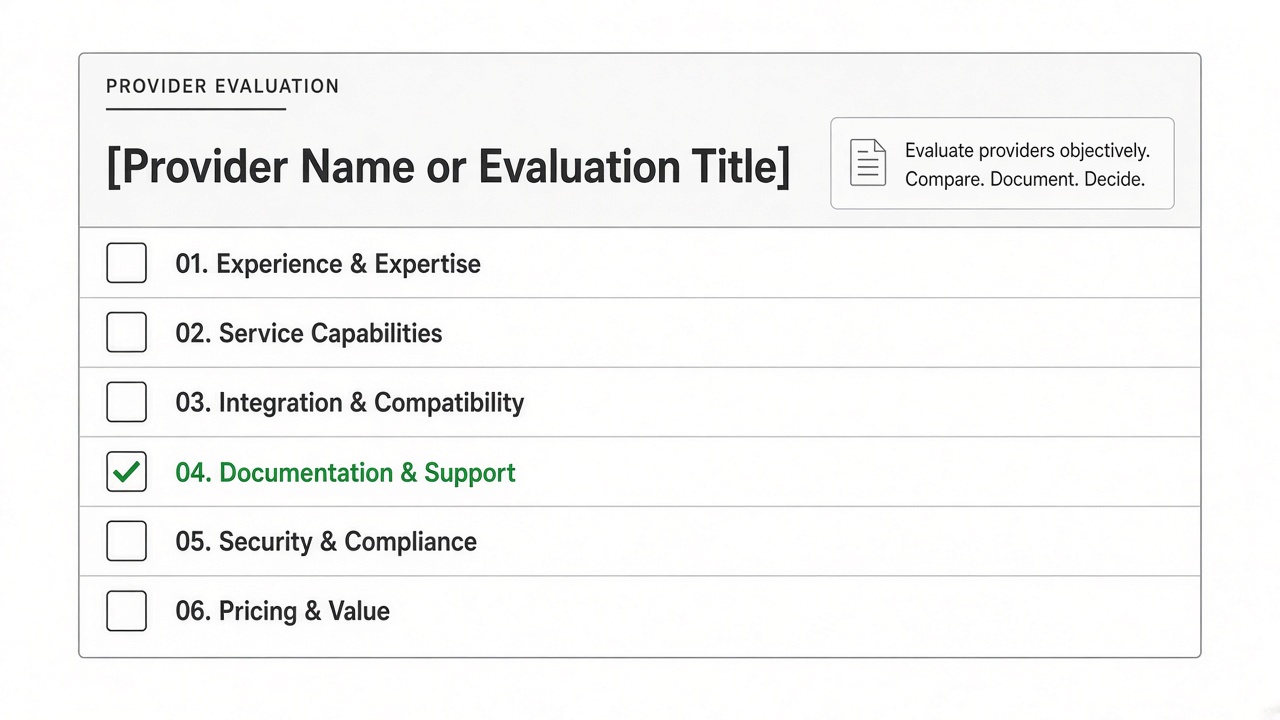
Shortlist on consent APIs, expiring-consent webhooks, cap-increase flows, and CRM export — not only on first-time signup conversion.
| Criterion | Question for providers |
|---|---|
| Expiry signals | Do you webhook expiring or expose expires_at for batch jobs? |
| Cap increase | Can customers raise limits without a full new consent? |
| Partial renewal | If only monthly cap is hit, can single-payment max stay unchanged? |
| Revocation speed | How fast do revoked consents block scheduled pulls? |
| Reporting | Export of consents by expiry bucket for finance forecasting? |
| Sandbox | Can we simulate expiry and cap breach in test? |
Use the provider-matching form with your renewal lead times and top three billing segments — or start from open banking provider comparison.
Frequently Asked Questions
What is VRP consent renewal?
VRP consent renewal is the process of refreshing a customer's permission for variable recurring payments before their banking-app mandate expires or before a scheduled charge would exceed agreed caps. It keeps repeat bank collections legal and uninterrupted without treating each cycle as a new checkout.
How is VRP consent renewal different from open banking dunning?
Dunning recovers failed pulls after a decline or insufficient funds. Consent renewal happens before the pull when permission is missing, expiring, or capped too low. Run renewal campaigns on expiry dates and cap checks; reserve dunning for soft and hard payment failures.
When should UK cVRP merchants start renewal reminders?
Most billing teams trigger first notice at 30 days before consent expiry and a second at 7 days, with a final attempt after a failed pre-bill cap check. Adjust for your billing cadence — monthly utilities may need shorter windows than quarterly insurance premiums.
Can customers increase VRP caps without a full new consent?
It depends on your provider and the payer's bank. Some flows offer cap-increase re-authentication that preserves the same consent ID; others require a new consent object. Validate in sandbox before promising seamless upgrades in customer copy.
What webhooks do you need for VRP consent renewal?
At minimum: consent created or activated (with expiry and caps), consent revoked, and payment failed due to invalid consent. Optional but valuable: expiring-consent warnings. Wire revocation to halt schedulers immediately — see open banking webhooks.
Does VRP consent renewal apply to EU SEPA Direct Debit?
EU teams usually renew mandates and verification refresh rather than UK-style cVRP caps. The operational goal is the same — uninterrupted recurring collection — but emails, notice periods, and webhook names differ. Split UK and EU journeys in your billing platform.
VRP consent renewal is where recurring bank revenue stays predictable: finance sees expiring permissions early, product sends clear banking-app journeys, and engineering treats consent webhooks as first-class alongside payment events. Build renewal before Wave 2 scale and before your first consent cliff — then measure re-authorisation rate separately from dunning recovery.
Related articles
- Open Banking Dunning: Bank-Rail Failed Payment Recovery
Involuntary churn on bank-rail renewals looks different from card dunning: there is no expired PAN to refresh, but consent can vanish overnight and insufficien…
- UKPI Wave 2 Recurring Payments: E-commerce Prep Guide
If you run a UK subscription business — SaaS, streaming, membership clubs, or general e-commerce with renewals — you have watched UKPI Wave 1 launch without yo…
- Wero Bill Payments France: What Orange's Launch Means
If you collect monthly bills in France — mobile plans, utilities, SaaS subscriptions — your customers already pay from banking apps more often than from card f…